Nathan Chasing Horse became a symbol of Native American representation in Hollywood when he starred in Dances with Wolves. At just 14, his performance as Stands With A Fist’s adopted son captivated audiences and earned acclaim for authenticity and emotional depth. But decades later, his story has taken a harrowing turn—not toward legacy or comeback, but toward incarceration and irreversible legal consequences. In 2023, Chasing Horse was sentenced to life in prison after a series of convictions tied to sexual abuse, human trafficking, and drug-related crimes. His downfall raises urgent questions about fame, accountability, and the vulnerability of young actors in the spotlight.
This isn’t just a tale of a fallen star. It’s a case study in how early exposure to fame, without structural support, can spiral into abuse of power—both suffered and inflicted.
From Child Star to Cultural Icon
When Kevin Costner cast Nathan Chasing Horse in Dances with Wolves (1990), he wasn’t just selecting an actor—he was making a statement. The film sought authenticity in its portrayal of Lakota culture, and Chasing Horse, a member of the Sicangu Lakota tribe from the Rosebud Indian Reservation in South Dakota, embodied that goal.
He played Smiles A Lot, later renamed "Stands With A Fist’s Son" in promotional materials, a young Lakota boy who helps bridge the cultural gap between the white protagonist and the tribal community. His natural presence and fluency in the Lakota language gave the film a rare legitimacy.
After the film’s success—winning seven Academy Awards, including Best Picture—Chasing Horse was celebrated. He appeared at events, was featured in documentaries, and was held up as an example of Indigenous talent breaking through in Hollywood.
But behind the scenes, the aftermath was more complicated.
Early Red Flags and Disappearing from the Public Eye
Chasing Horse’s trajectory diverged sharply from typical child star paths. Unlike other young actors who transitioned into adult roles or production, he vanished from mainstream media after the mid-1990s. Occasional appearances surfaced—small film roles, cultural events—but nothing sustained.
During this period, whispers began to circulate within tribal communities. Reports emerged of Chasing Horse using his celebrity status to manipulate and exploit vulnerable individuals, particularly young Native women and girls.
Law enforcement records and court documents later revealed a pattern: Chasing Horse allegedly used his fame to present himself as a spiritual guide or cultural mentor—a position of trust he leveraged for coercion. Survivors described how he promised career opportunities, cultural reconnection, or protection, only to subject them to sexual abuse, psychological control, and drug dependency.
These accusations didn’t surface publicly for years. Without media attention or institutional intervention, the cycle continued.
The Turning Point: Arrests and Federal Charges
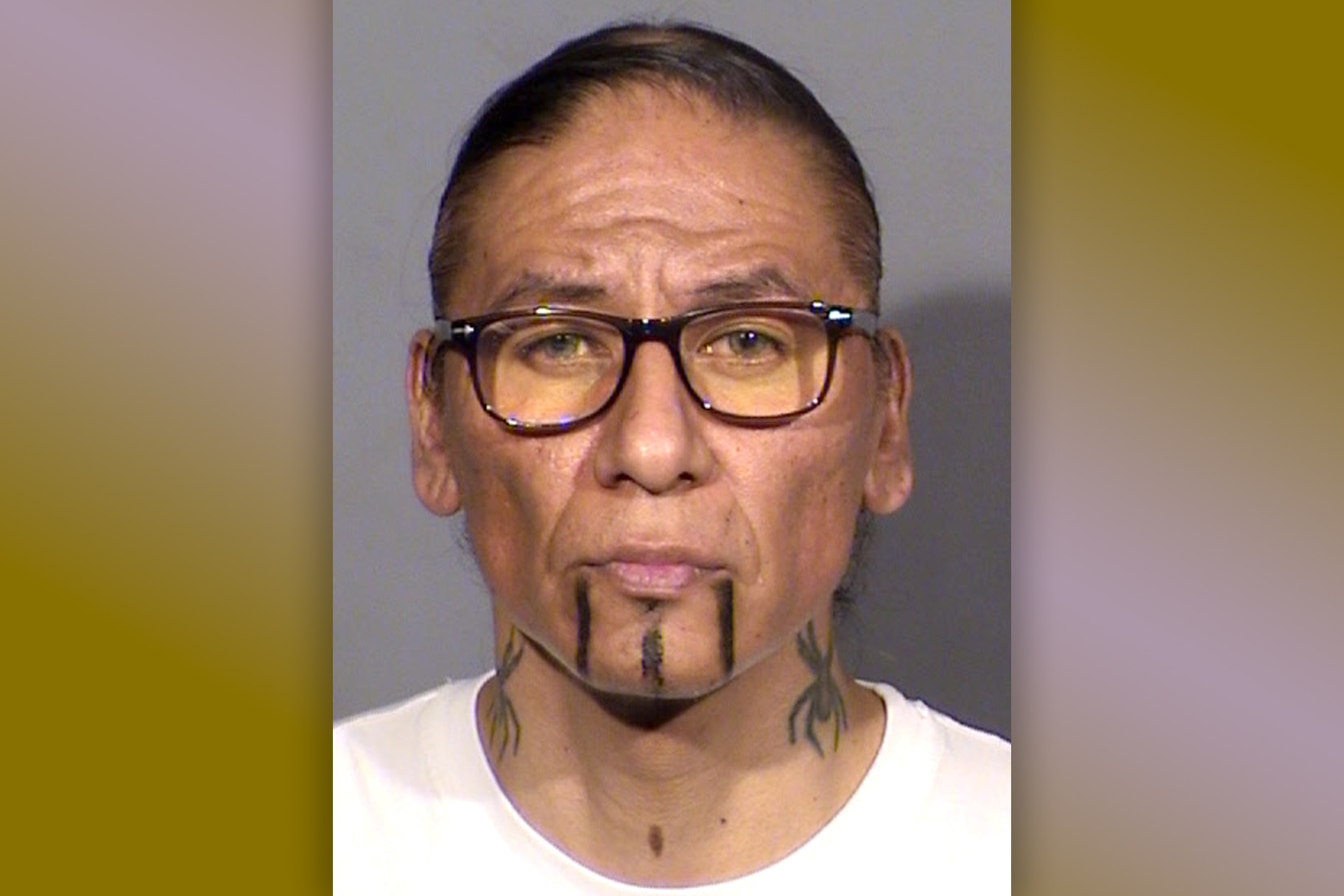
The first major law enforcement action came in 2020, when Chasing Horse was arrested on federal charges in South Dakota. The indictment, unsealed in 2021, detailed horrific allegations:
- Sexual abuse of minors
- Production of child pornography
- Forced labor and human trafficking
- Distribution of controlled substances
Prosecutors argued that Chasing Horse had operated a network of exploitation for nearly two decades. Victims were allegedly recruited from reservations, isolated from families, and subjected to physical and emotional abuse while being forced into sex work or drug trafficking.
In one case, a survivor testified that she was groomed at age 14 after meeting Chasing Horse at a powwow. She claimed he promised to help her act in films, then confiscated her ID, controlled her movements, and used violence to maintain dominance.
The federal investigation, led by the FBI and the U.S. Attorney for the District of South Dakota, spanned multiple states and involved digital forensics, victim interviews, and tribal cooperation.
Conviction and Life Sentence
In 2023, after a high-profile trial, Nathan Chasing Horse was found guilty on 12 counts, including:
- Two counts of production of child pornography
- Three counts of sexual abuse of a minor
- One count of human trafficking
- Two counts of forced labor
- Multiple drug-related charges
He was sentenced to life in federal prison without the possibility of parole.
U.S. District Judge Roberto Lange delivered a scathing statement during sentencing:
“You used your notoriety not to uplift your community, but to prey on its most vulnerable. You twisted cultural identity into a weapon. This court will not tolerate such betrayal.”
The sentence sent shockwaves through both the entertainment and Native American communities. For many, it was a painful reckoning—watching a figure once celebrated for representation now condemned for systemic abuse.
The Cultural Fallout: Representation vs. Accountability
Chasing Horse’s case forces a difficult conversation: Can someone be both a cultural symbol and a predator?
Dances with Wolves was groundbreaking for its time. It was one of the first major Hollywood films to cast Native actors in authentic roles, use Indigenous languages, and center Native perspectives. For many, Chasing Horse represented hope—a young talent who could open doors for others.
But his crimes underscore a deeper issue: representation without accountability can be dangerous. When communities elevate individuals based on identity or symbolism, scrutiny often fades. The fear of “shaming” one’s own can silence victims and enable predators.
Survivors and tribal leaders have called for greater protection mechanisms for young Indigenous talent entering the entertainment industry. Without mentorship, legal literacy, and psychological support, they remain vulnerable—not just to exploitation by outsiders, but by those within their communities who wield influence.
What Could Have Been Done Differently?
Looking back, there were missed opportunities to intervene:

- Post-fame support systems: After Dances with Wolves, Chasing Horse received no structured guidance on managing fame, finances, or mental health. Many child actors benefit from trusts, counselors, and career managers. He had none.
- Lack of reporting channels: Victims feared retaliation or disbelief. Tribal jurisdictions often lack resources to handle cross-border crimes or federal-level investigations.
- Celebrity shielding: Even when rumors circulated, few in media or film circles spoke out. The “protect the image” mentality allowed Chasing Horse to operate in the shadows.
Hollywood has long struggled with protecting young actors—especially those from marginalized backgrounds. Chasing Horse’s case is not isolated, but it is uniquely tragic because of the cultural weight he once carried.
A Warning for the Industry
The entertainment world continues to celebrate diversity and inclusion, but Chasing Horse’s story reveals a blind spot: visibility without safeguards can become a trap.
Production companies, studios, and casting directors must do more than cast diversely. They must:
- Establish long-term support programs for young Indigenous actors
- Partner with tribal organizations for cultural and legal guidance
- Implement mandatory reporting protocols for abuse or coercion
- Fund exit strategies for actors wanting to leave high-pressure environments
Kevin Costner, who has not publicly commented on the case, represents a generation of filmmakers who championed representation but may not have built the infrastructure to sustain it.
Legacy in Ruins
Today, Nathan Chasing Horse’s name is no longer associated with cinematic breakthroughs. It’s cited in court summaries, victim impact statements, and cautionary discussions about power and identity.
Dances with Wolves remains a classic, but streaming platforms now face decisions about whether to include content warnings or contextual notes about Chasing Horse’s involvement. Some advocacy groups have called for his scenes to be digitally removed, though that remains controversial.
For survivors, the sentence brings a measure of justice—but not healing. One victim, speaking anonymously, said: “No prison term brings back the years he stole. But knowing he can’t hurt anyone else? That matters.”
Final Thoughts
The rise and fall of Nathan Chasing Horse is not just a personal tragedy. It’s a systemic failure—one that intersects fame, culture, trauma, and justice. His life sentence marks the end of a criminal chapter, but the conversation is only beginning.
For Hollywood, the lesson is clear: representation must come with responsibility. For communities, it’s a reminder that no one should be immune from accountability—even those who once symbolized progress.
The legacy of Dances with Wolves endures. But its brightest young star now serves as a warning: without guardrails, even the most promising paths can lead to ruin.
If you or someone you know is affected by sexual abuse, human trafficking, or exploitation, contact the National Human Trafficking Hotline at 1-888-373-7888 or visit traffickinghotline.org.
FAQ
What should you look for in Nathan Chasing Horse’s Fall from Fame to Life Sentence? Focus on relevance, practical value, and how well the solution matches real user intent.
Is Nathan Chasing Horse’s Fall from Fame to Life Sentence suitable for beginners? That depends on the workflow, but a clear step-by-step approach usually makes it easier to start.
How do you compare options around Nathan Chasing Horse’s Fall from Fame to Life Sentence? Compare features, trust signals, limitations, pricing, and ease of implementation.
What mistakes should you avoid? Avoid generic choices, weak validation, and decisions based only on marketing claims.
What is the next best step? Shortlist the most relevant options, validate them quickly, and refine from real-world results.