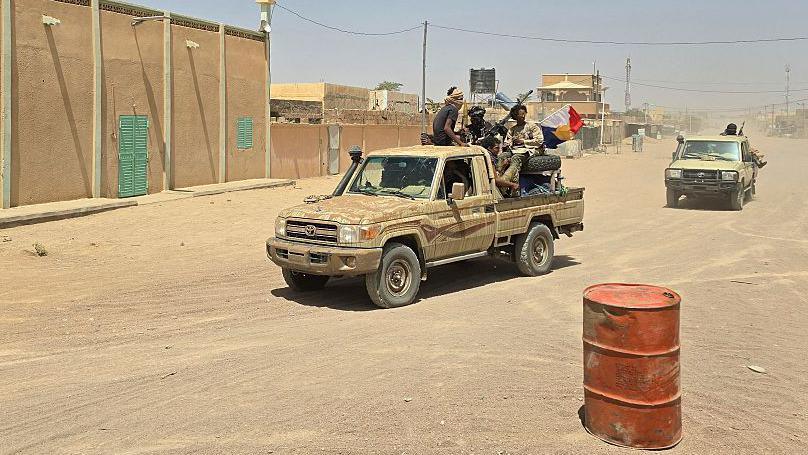
Kidal is no longer under the operational control of Russia’s Africa Corps. After months of escalating attacks and local resistance, the group has confirmed its withdrawal from the northern Malian stronghold—a move signaling a recalibration in Moscow’s military strategy across the Sahel.
This isn’t just a tactical retreat. It’s a reflection of deepening instability, fractured alliances, and the limits of foreign military intervention in one of the world’s most volatile regions.
Why Kidal Matters in the Mali Conflict
Kidal isn’t just another town on the map. It’s a symbolic and strategic epicenter of Tuareg resistance, separatist sentiment, and regional power struggles. Located in northeastern Mali, the region has long resisted central authority—be it from Bamako or foreign forces.
Control of Kidal means influence over: - Key smuggling routes across Libya and Algeria - Access to uranium and gold deposits - Leverage against jihadist networks like JNIM and ISGS
For years, French forces and MINUSMA troops struggled to stabilize the area. Now, with Russia’s Africa Corps pulling out, the vacuum is widening—and attacks are intensifying.
Since early 2023, Kidal has seen over two dozen recorded attacks: IED ambushes, drone strikes, and coordinated raids on military outposts. The frequency spiked after Russia’s contingent began withdrawing personnel and equipment in late 2023, suggesting their presence had acted as a deterrent—however temporary.
Russia’s Africa Corps: Shadow Force, Real Footprint
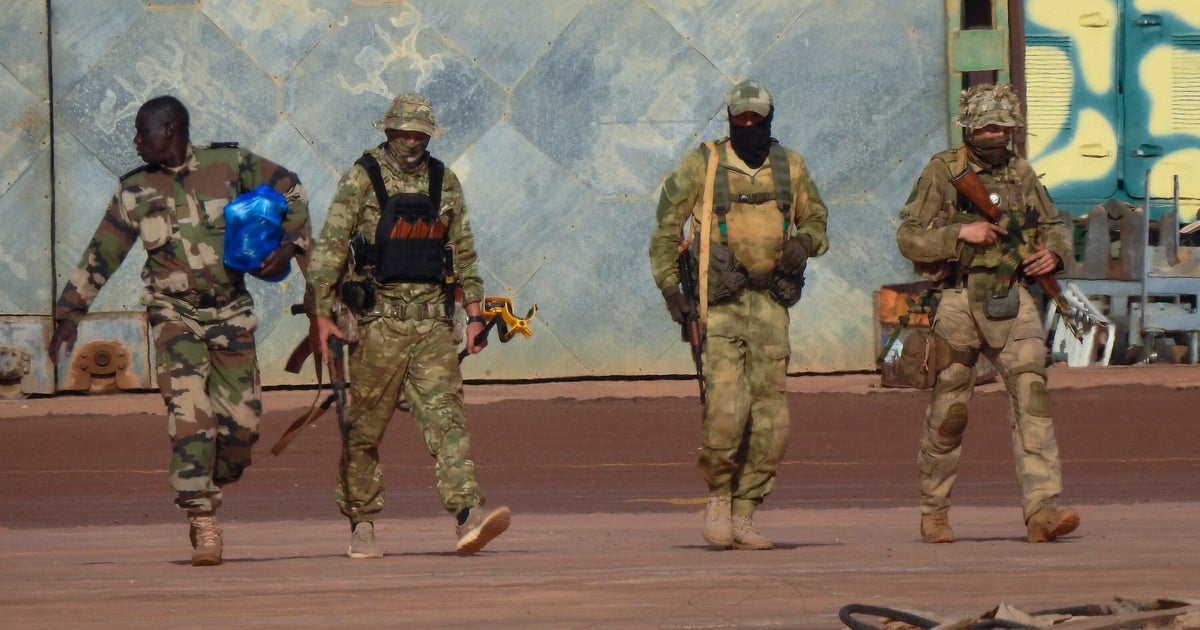
Despite operating under a veil of ambiguity, Russia’s Africa Corps—widely believed to be a rebranded or successor entity to the Wagner Group—has had a tangible presence in Mali since 2021.
The group: - Trains and advises Malian armed forces - Conducts joint counterinsurgency operations - Provides tactical air support and intelligence
But unlike traditional military deployments, the Africa Corps operates without official treaties or transparent command structures. It’s a deniable force—plausibly unconnected to the Kremlin, yet strategically aligned.
Their withdrawal from Kidal isn’t an isolated event. It follows a broader pattern: - Reduced activity in Gao and Ménaka - Consolidation of forces around central Mali - Shift toward advisory and rear-echelon roles
This suggests a move away from direct frontline engagement—a shift likely influenced by resource constraints, operational losses, and political pushback.
The Wave of Attacks Preceding the Withdrawal
The decision to leave Kidal didn’t come out of the blue. It was preceded by a surge in violence targeting Russian-linked and Malian military positions.
Key incidents include: - March 2023: A drone strike on a convoy near Tinzaouaten killed at least 6 Russian operatives and 3 Malian soldiers. - June 2023: A suicide bombing at a joint base in Bourem left 14 dead, including contractors believed to be part of Africa Corps. - September 2023: A coordinated assault on Kidal’s main barracks, involving ground fighters and loitering munitions, forced a temporary evacuation.
These attacks reveal a disturbing trend: adversaries are adapting. They’re using commercial drones, encrypted communications, and asymmetric tactics to counter better-armed but overstretched forces.
Worse, local sentiment turned. Residents in Kidal accused Africa Corps units of excessive force, arbitrary arrests, and cultural insensitivity—fueling resentment rather than security.
One humanitarian worker in Gao, speaking on background, noted: "They came in like saviors. But within months, they were running checkpoints like occupiers. That’s when the IEDs started appearing on the roads they patrolled."
Why Russia Pulled Back: Strategic Logic or Forced Retreat?
Was this withdrawal a planned maneuver—or a retreat under pressure?
Evidence points to both.
On one hand, Moscow has been signaling a broader reset in African operations. After the failed Wagner mutiny in June 2023, the Kremlin moved to reassert control over its overseas proxies. Rebranding Wagner as “Africa Corps” allowed for continuity without the baggage of Prigozhin’s legacy.
But on the ground, the math in Kidal wasn’t working: - High operational costs with minimal strategic ROI - Rising casualties without meaningful territorial gains - Lack of local cooperation or intelligence networks
Additionally, the Malian junta—while publicly aligned with Russia—has shown signs of hedging. They’ve maintained backchannel talks with France and quietly welcomed Turkish drone shipments, suggesting they’re not fully committed to any single foreign partner.
Russia’s exit from Kidal may be less about surrender and more about strategic triage—focusing limited resources where they can achieve visible results, like central Mali’s “tri-border” zone with Burkina Faso and Niger.
The Power Vacuum and Who Stands to Gain
With Russia gone, who fills the void?
Not the Malian army. Despite receiving training and equipment from Russia, they lack the manpower and cohesion to control remote regions like Kidal independently.
Instead, three actors are positioning themselves:
- Tuareg-led armed groups – Particularly the CSP-PSD coalition, which has long demanded autonomy. They’ve already reoccupied former outposts in Kidal and are engaging in negotiations with Bamako.
- Jihadist networks – Both JNIM (al-Qaeda affiliate) and ISGS (Islamic State in the Greater Sahara) have increased patrols near Kidal. Their propaganda now highlights the “expulsion” of Russian forces as a victory.
- Regional powers – Algeria has stepped up border surveillance, while Niger’s military junta—despite its own instability—has warned against spillover violence.
The danger? Kidal could become a flashpoint for broader regional conflict. A resurgence of Tuareg separatism might provoke a heavy-handed response from Bamako, drawing in neighbors and reigniting old tensions.
Already, there are signs of this. In January 2024, Malian forces launched airstrikes near the Algerian border—drawing diplomatic protests and raising fears of cross-border escalation.
Mali’s Broader Security Crisis: Beyond the Russia Factor
While the Africa Corps withdrawal dominates headlines, it’s only one thread in Mali’s unraveling security fabric.
The country faces a three-front war: - North: Tuareg separatists and clan militias - Center: Jihadist groups targeting civilians and state infrastructure - East: Spillover from conflict in Niger and Burkina Faso
And the tools at hand are failing.
The Malian military, despite Russian support, has struggled with: - Poor logistics and coordination - Low morale and desertion rates - Accusations of human rights abuses that alienate local populations
Even counterterrorism operations often follow a destructive cycle: raid a village, displace civilians, create resentment, fuel recruitment for armed groups.
One 2023 UN report found that over 78% of civilian casualties in central Mali were linked to state or allied forces—a statistic that undercuts any narrative of “liberation” promoted by the junta.
Without political reconciliation, economic development, or legitimate governance, no foreign military—even one as aggressive as Russia’s Africa Corps—can impose lasting stability.
What This Means for Russia’s African Ambitions
Mali was supposed to be Russia’s flagship operation in Africa—a model for low-cost, high-impact influence through private military contractors.
But Kidal’s collapse raises hard questions.
If Russia can’t hold a single city in northern Mali, what does that say about its ability to project power elsewhere—say, in Burkina Faso, the Central African Republic, or Sudan?
The reality is that Moscow is overextended. Its Africa strategy relies on perception more than substance: photo ops, flag-planting, and declarations of victory. But without sustainable logistics, intelligence networks, or local buy-in, these gains evaporate quickly.
Moreover, African governments are growing wary. The economic promises made by Russian envoys—mining deals, infrastructure projects—rarely materialize. What remains are soldiers, checkpoints, and conflict.
Countries like South Africa and Kenya have quietly distanced themselves from Moscow’s military ventures. Even allies like the Central African Republic are scaling back Wagner contracts.
Russia’s Africa Corps may live on in name, but its influence is contracting—fast.
The Road Ahead: What Should Be Done?
So where does Mali go from here?
Continuing down the current path—outsourcing security to foreign mercenaries while ignoring governance and reconciliation—is a recipe for endless war.
- A viable path forward requires:
- Political dialogue with Tuareg leaders – Not just military suppression
- Community-based counterterrorism – Replace heavy-handed raids with local intelligence and protection
- Regional coordination – Mali can’t fight this alone; joint patrols with Niger, Algeria, and Burkina Faso are essential
- Humanitarian access – Over 8 million Malians need aid; blockades and insecurity make delivery nearly impossible
- Transparency on foreign forces – No more shadow armies. Any military presence must be accountable and time-bound
The withdrawal from Kidal should be seen not as a defeat, but as a moment of clarity. Foreign troops, no matter how well-armed, cannot fix a crisis rooted in exclusion, poverty, and mistrust.
Actionable Insight: If you’re analyzing conflict trends in the Sahel, focus less on troop movements and more on local dynamics. The real indicators aren’t in press releases from Bamako or Moscow—but in market closures, school shutdowns, and displacement patterns. Track those, and you’ll see the truth before the headlines catch up.
Frequently Asked Questions
Why did Russia’s Africa Corps leave Kidal? Due to escalating attacks, lack of local support, high operational costs, and a strategic decision to consolidate forces in more controllable areas of Mali.
Is the Africa Corps the same as the Wagner Group? It’s widely considered a rebranded or successor entity, operating under tighter Kremlin control after the 2023 mutiny led by Yevgeny Prigozhin.
Who controls Kidal now? As of early 2024, Tuareg-led armed groups, particularly the CSP-PSD coalition, have reestablished a presence, though the Malian army still claims authority.
Have attacks increased after the withdrawal? Yes. There has been a notable rise in IED incidents and jihadist activity near former Russian patrol zones, indicating a power vacuum.
What does this mean for Mali’s war against jihadists? It weakens central control in the north, potentially allowing groups like JNIM and ISGS to regroup and expand operations.
Could France return to Mali? Unlikely in the near term. Public and military sentiment in Mali remains strongly anti-French, and Paris shows no appetite for re-engagement.
How is Algeria responding to the situation in Kidal? Algeria has increased border surveillance and diplomatic engagement, urging peaceful resolution while opposing foreign military escalation.
FAQ
What should you look for in Mali Attacks: Russia’s Africa Corps Exits Kidal Amid Escalation? Focus on relevance, practical value, and how well the solution matches real user intent.
Is Mali Attacks: Russia’s Africa Corps Exits Kidal Amid Escalation suitable for beginners? That depends on the workflow, but a clear step-by-step approach usually makes it easier to start.
How do you compare options around Mali Attacks: Russia’s Africa Corps Exits Kidal Amid Escalation? Compare features, trust signals, limitations, pricing, and ease of implementation.
What mistakes should you avoid? Avoid generic choices, weak validation, and decisions based only on marketing claims.
What is the next best step? Shortlist the most relevant options, validate them quickly, and refine from real-world results.