When gunfire shattered the calm of the White House Correspondents’ Dinner at the Washington Hilton, actor Zachary Levi was inside the ballroom—close enough to hear the shots, feel the fear, and witness the scramble for safety. What began as a high-profile gathering of political and entertainment elites quickly devolved into chaos. Levi, best known for his roles in Chuck and Shazam!, didn't just observe—he became an unwilling participant in one of the most jarring disruptions in recent WHCD history.
His firsthand account offers a rare, unfiltered glimpse into how quickly a formal event can spiral into survival mode—and why preparedness, both physical and mental, matters in unpredictable scenarios.
The Night the WHCD Turned to Panic
The White House Correspondents’ Dinner is traditionally a blend of satire, diplomacy, and A-list glamour. Journalists, politicians, and celebrities gather annually for an evening that straddles the line between press function and red-carpet spectacle. But on this night, the script broke.
Zachary Levi had taken his seat near the back of the grand ballroom, surrounded by colleagues and journalists. The event was in full swing, with the keynote speaker delivering remarks, waitstaff moving between tables, and cameras capturing every reaction.
Then came a series of sharp, unmistakable sounds.
"Everyone froze," Levi later said in an interview. "It wasn’t just one noise—it was multiple. Loud. Sharp. And they didn’t sound like champagne corks or dropped trays."
Confusion rippled through the room. Some attendees initially laughed, assuming the sounds were part of a staged bit. But seconds later, the emergency response was unmistakable: security personnel shouting, lights flashing, and the swift movement of Secret Service agents toward the exits.
Levi described a moment of cognitive dissonance—being seated at a dinner meant to honor press freedom and suddenly facing the very real threat of violence.
Inside the Ballroom: Seconds That Felt Like Hours
What followed wasn’t captured on live television, but in the memories of those present. Levi’s recollection paints a vivid picture of human behavior under stress.
As the realization set in that this was not a drill, the ballroom’s atmosphere shifted from polished decorum to primal urgency.
"People started ducking under tables," he said. "Some were trying to call loved ones. Others just sat there, stunned. I remember seeing a reporter from CNN with her hand over her mouth, whispering into her phone."
Levi, drawing on instincts honed from action film training, assessed his surroundings. He noted the nearest exits, the location of pillars that could offer cover, and the behavior of security personnel.
He didn’t run immediately.
Instead, he stayed low, advised a group of visibly shaken attendees near him to do the same, and waited for official direction.
“It wasn’t about being a hero,” he clarified. “It was about not making things worse. Panic spreads faster than gunfire. You have to breathe. You have to think.”
This measured response stands in contrast to common reactions during public emergencies—where stampedes, misinformation, and emotional surges often lead to secondary injuries.
The Role of Public Figures in Crisis Moments
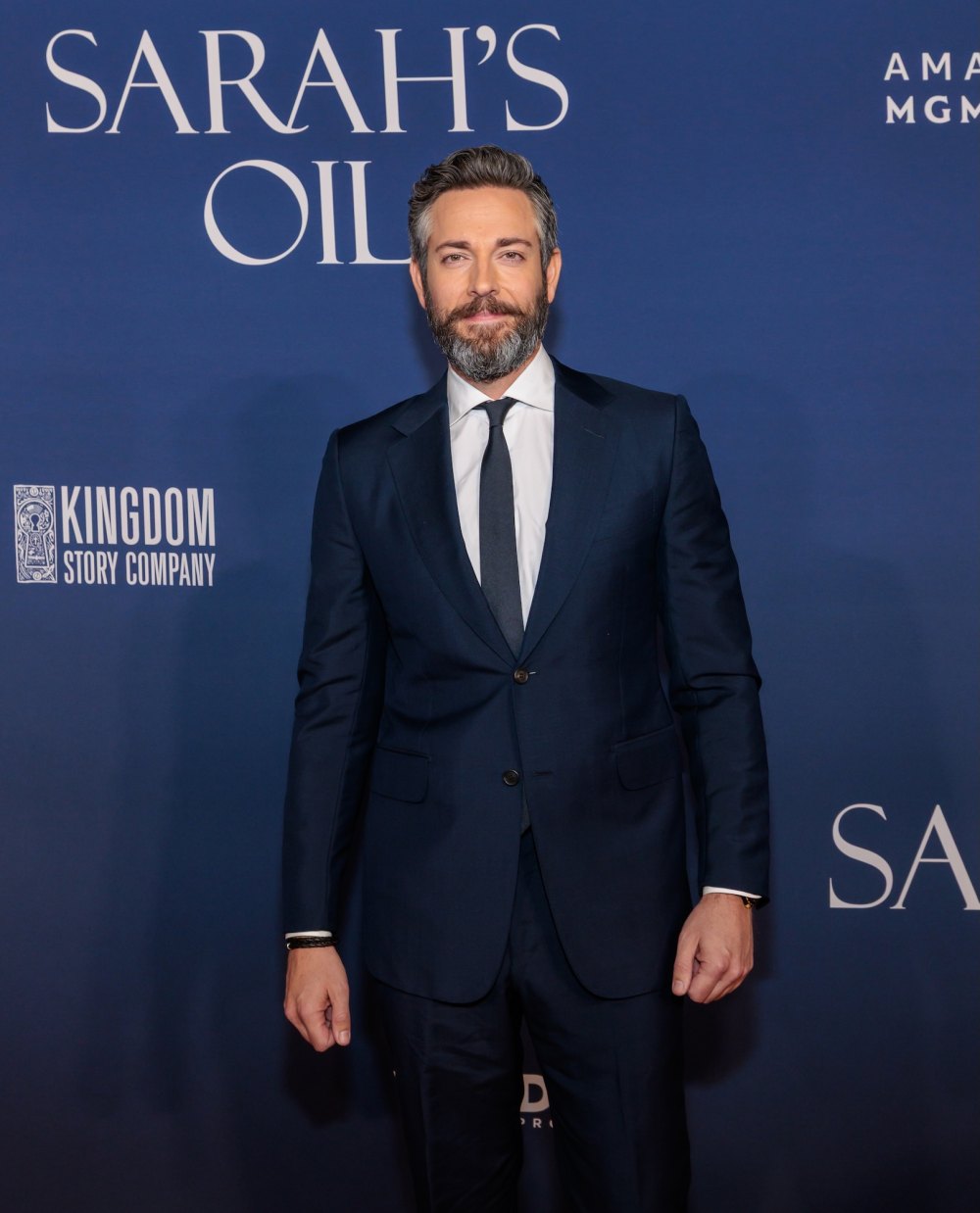
Levi’s presence in the ballroom raised questions beyond the incident itself: What responsibility, if any, do celebrities carry during emergencies?
Unlike trained first responders, public figures like Levi aren’t expected to intervene. Yet their visibility means their actions are scrutinized—and often emulated.
In the aftermath, clips of Levi calmly guiding others circulated online. Some praised his composure; others questioned why more celebrities didn’t step up.
But Levi pushed back on the idea of celebrity duty.
“I’m not a cop. I’m not a medic,” he said. “I didn’t do anything extraordinary. I just didn’t lose my head.”
Still, his behavior exemplifies a broader trend: the growing expectation for public figures to act as informal leaders during crises. Whether it’s natural disasters, mass shootings, or civil unrest, fans increasingly look to celebrities not just for entertainment—but for reassurance.
And in moments like this, how a star responds can have ripple effects far beyond the event itself.
Security Gaps at High-Profile Events Exposed
The WHCD shooting—and Levi’s account of the interior chaos—shone a light on long-standing concerns about event security.
Despite the presence of federal agents and extensive planning, the initial response inside the ballroom was fragmented. Multiple attendees reported delayed communication, lack of clear instructions, and confusion over evacuation routes.
Levi pointed to one critical flaw: the absence of real-time public announcements.
“They shut the sound system off,” he said. “No instructions, no updates. Just silence and shouting. That’s when rumors start. One person said there were three shooters. Another said it was a gas leak. Without official information, people fill the void with fear.”
Event planners often focus on perimeter security—metal detectors, bag checks, and VIP screening. But once an incident occurs inside the venue, internal protocols become just as important.
Key issues highlighted by Levi’s testimony include:
- Delayed communication: No centralized PA updates during the critical first minutes
- Inconsistent training: Not all staff knew emergency procedures
- Crowd management gaps: Exits became bottlenecks due to lack of directional guidance
These aren’t unique to the WHCD. Similar problems have surfaced at concerts, award shows, and political rallies. Levi’s experience underscores the need for comprehensive crisis planning that includes internal coordination—not just outer-layer defenses.
Media’s Role: Reporting vs. Speculation
In the hours after the shooting, news outlets scrambled for details. Social media exploded with unverified claims. Some reports falsely identified Levi as being injured. Others claimed he helped disarm a suspect—a story he quickly debunked.
“I didn’t see the shooter. I didn’t confront anyone,” he said. “I stayed put until I was told it was safe.”
This incident illustrates a growing challenge in modern crisis reporting: the speed of information versus its accuracy.
Levi watched in disbelief as his name trended alongside fabricated narratives.
“It’s surreal,” he said. “One minute you’re hiding under a table, the next you’re reading headlines that make you look like Jason Bourne.”
For journalists and content creators, the takeaway is clear: eyewitness accounts are valuable—but they require verification. Especially when public figures are involved, the line between amplification and exploitation can blur quickly.
A Call for Preparedness—Even for Civilians

Levi has since become an advocate for basic emergency preparedness—especially for those who attend large public events.
“You don’t need a tactical vest,” he said. “But you should know where the exits are. You should have a plan for contacting family if phones go down. These things take two minutes to think through.”
He recommends a simple three-step approach:
- Scan the room when you enter—note exits, cover points, and emergency signage.
- Keep your phone charged and accessible—but don’t rely on signal or network availability.
- Stay calm and listen—follow official instructions, not crowd reactions.
These habits, he argues, are not signs of paranoia but of awareness.
The WHCD shooting wasn’t the first public incident to catch attendees off guard—and it won’t be the last. From Las Vegas’ 2017 concert shooting to the Pulse nightclub tragedy, history shows that preparedness saves lives.
And as Levi’s experience proves, even actors who play heroes on-screen are just people in real-life emergencies.
Why Firsthand Accounts Matter
Levi’s decision to speak openly about his experience has added depth to the public understanding of the WHCD shooting.
Unlike official statements or press briefings, his testimony captures the emotional texture of the event—fear, confusion, delayed reactions, and the relief of survival.
It also humanizes a story that could easily be reduced to politics or statistics.
His account isn’t about assigning blame or sensationalizing trauma. It’s about bearing witness—and using that platform to promote awareness.
“I don’t want anyone to go through what we did,” he said. “If sharing what happened helps one person stay safe in the future, then it’s worth it.”
Closing: Learn, Don’t Panic
Zachary Levi didn’t set out to become a voice on public safety. But his presence in the Washington Hilton ballroom that night—and his willingness to recount it—offers a lesson beyond celebrity gossip or event drama.
Chaos is inevitable in crisis. Preparation is not.
Whether you're attending a high-profile gala or a local concert, the principles remain the same: stay aware, stay calm, and trust verified information.
The next unexpected moment could be seconds away. What you do in those seconds matters most.
FAQs
What was Zachary Levi doing at the WHCD? He was attending as a guest, part of the entertainment contingent invited to the annual dinner.
Did Zachary Levi see the shooter? No. He heard the shots and witnessed the aftermath but did not see the individual responsible.
Was anyone injured during the shooting inside the ballroom? Details vary, but initial reports confirmed minor injuries from the scramble to exit, though no fatalities occurred inside the ballroom.
How did Zachary Levi react during the shooting? He stayed under cover, remained calm, and advised others nearby to do the same until security provided guidance.
Has Zachary Levi spoken about gun violence before? Yes—he’s previously advocated for mental health awareness and common-sense gun safety measures.
Did the WHCD continue after the shooting? No. The event was immediately suspended, and attendees were evacuated.
Is the Washington Hilton considered unsafe now? Security protocols have been reviewed and enhanced, but the venue remains operational for major events.
FAQ
What should you look for in Zachary Levi Recalls Chaos During WHCD Shooting? Focus on relevance, practical value, and how well the solution matches real user intent.
Is Zachary Levi Recalls Chaos During WHCD Shooting suitable for beginners? That depends on the workflow, but a clear step-by-step approach usually makes it easier to start.
How do you compare options around Zachary Levi Recalls Chaos During WHCD Shooting? Compare features, trust signals, limitations, pricing, and ease of implementation.
What mistakes should you avoid? Avoid generic choices, weak validation, and decisions based only on marketing claims.
What is the next best step? Shortlist the most relevant options, validate them quickly, and refine from real-world results.